15 Creative Engineered Hardwood Flooring Ideas Everyone Is Obsessing Over

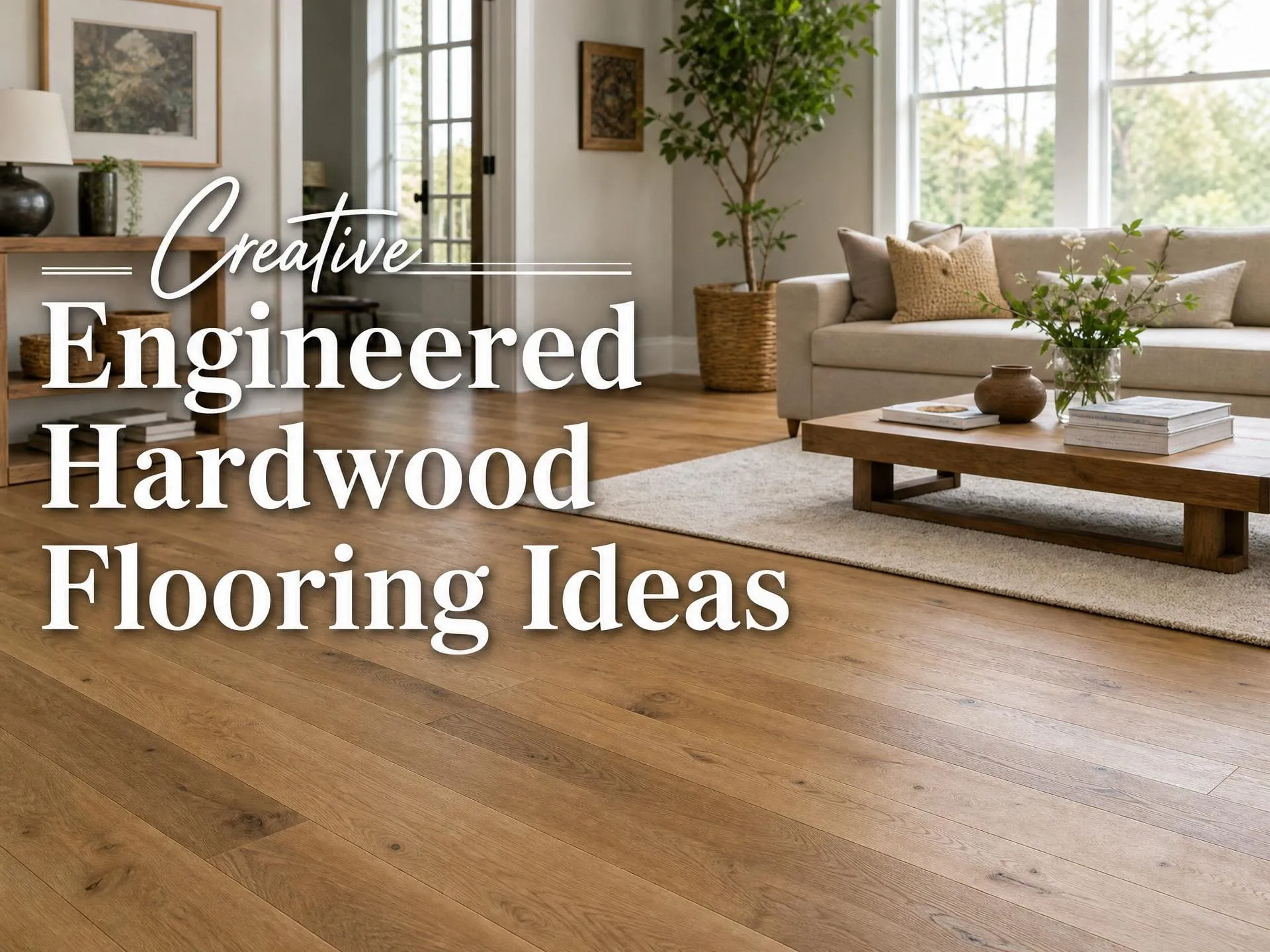
Real hardwood floors bring warmth and value to a home, but solid wood isn’t always practical for every room or budget. Engineered hardwood offers the same authentic wood look with better durability and often a friendlier price tag, making it one of the most popular flooring choices for modern homes.
This list is for homeowners planning a renovation, budget-conscious decorators, and anyone curious about how far engineered hardwood can go stylistically. The ideas below are grouped by pattern, finish, and room application so you can find the right direction for your own space.
Featured Image Prompt: A bright, warm living room floor covered in wide-plank engineered hardwood flooring, styled with minimal furniture, natural daylight, realistic editorial home-decor photography.
Pattern and Layout Ideas
1. Classic Straight-Plank Layout
A straight, uniform plank layout is the most traditional way to install engineered hardwood, offering a clean, timeless look that suits nearly any home style. It’s also generally the most straightforward and cost-effective layout to install.
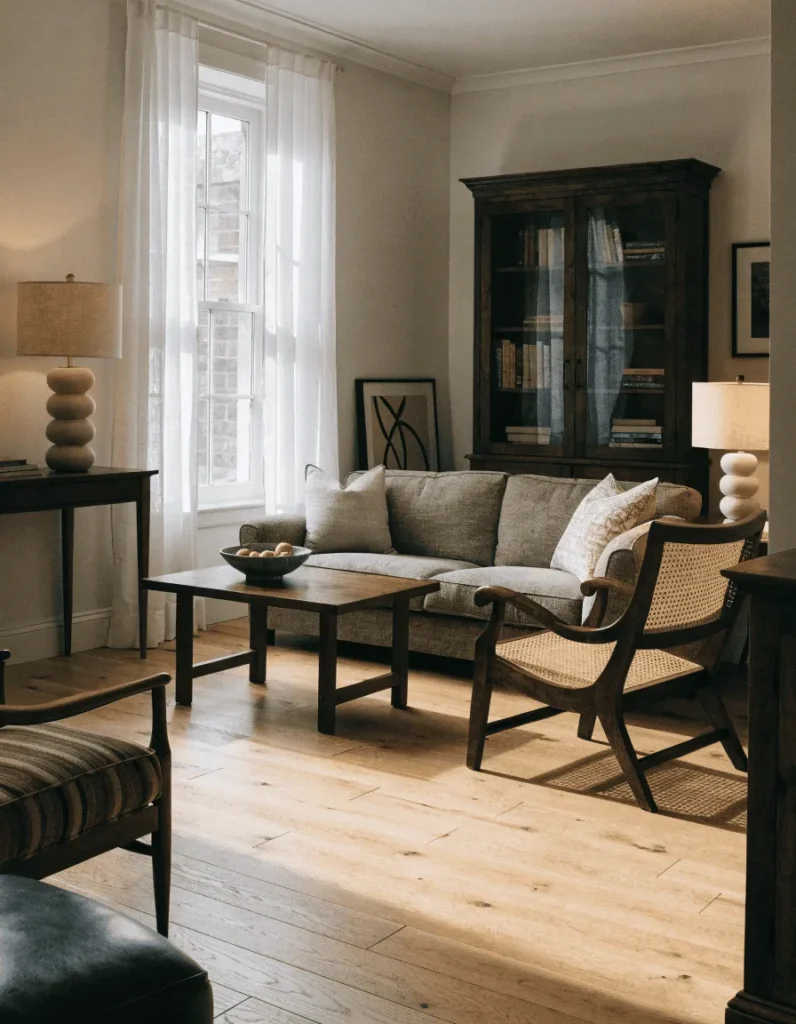
Because the planks run in one consistent direction, this layout tends to make a room feel elongated, especially when laid parallel to the longest wall. It’s a dependable choice for anyone who wants a classic hardwood look without added complexity.
2. Herringbone Engineered Wood Pattern
Engineered hardwood cut for a herringbone layout brings a sophisticated, zigzag pattern to a floor while still offering the stability benefits of engineered construction. It’s a popular upgrade for entryways and living rooms.
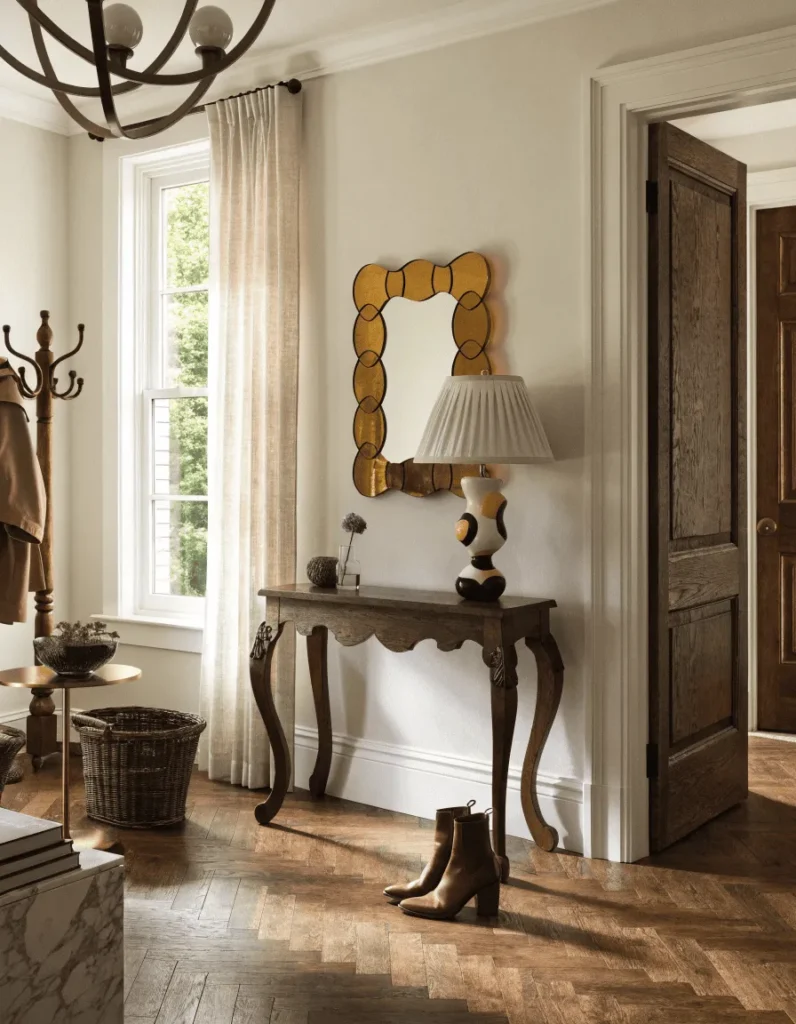
Because engineered planks are more dimensionally stable than solid wood, they tend to perform well in this more intricate layout, especially in rooms with fluctuating humidity. The pattern adds a sense of craftsmanship that elevates the whole room.
3. Wide-Plank Modern Look
Wider engineered hardwood planks create a more contemporary, seamless look with fewer visible seams across the floor. This style has become especially popular in modern farmhouse and minimalist interiors.
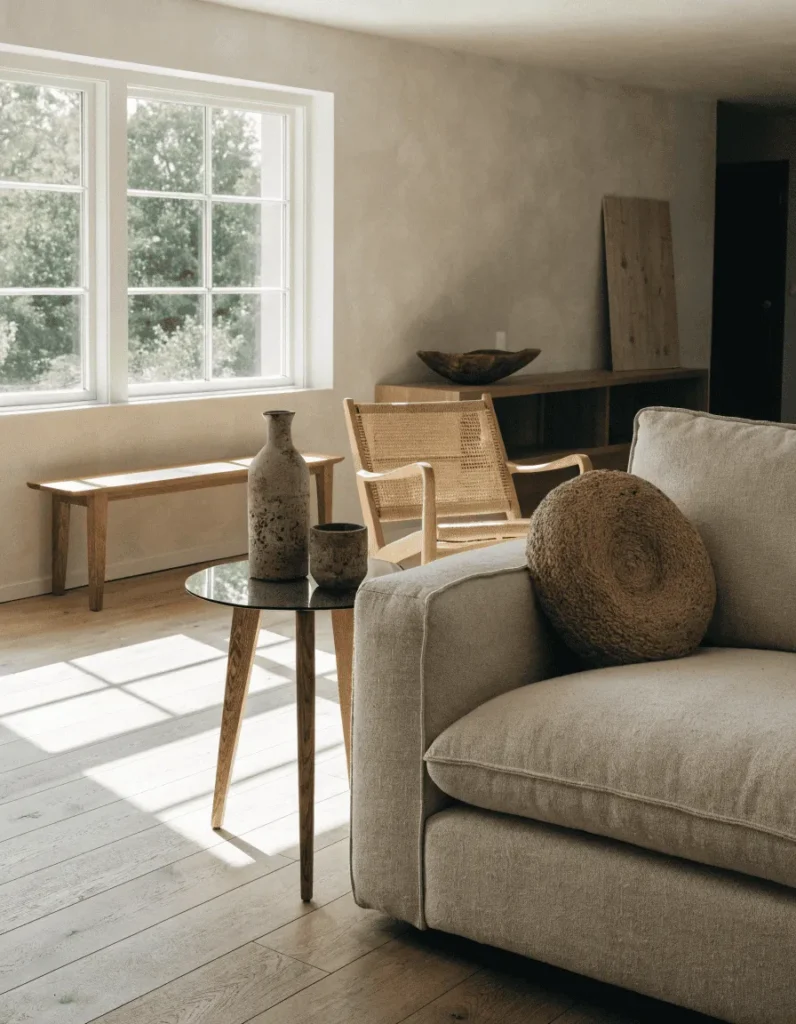
Because fewer planks are needed to cover the same area, installation can sometimes be quicker than with narrower boards. The wider format also showcases the wood grain more prominently, adding to the natural, organic feel of the room.
4. Chevron Engineered Wood Statement
A chevron layout using engineered hardwood combines dramatic visual movement with the practical stability engineered wood offers over solid planks. It’s a striking choice for a dining room or formal living space.
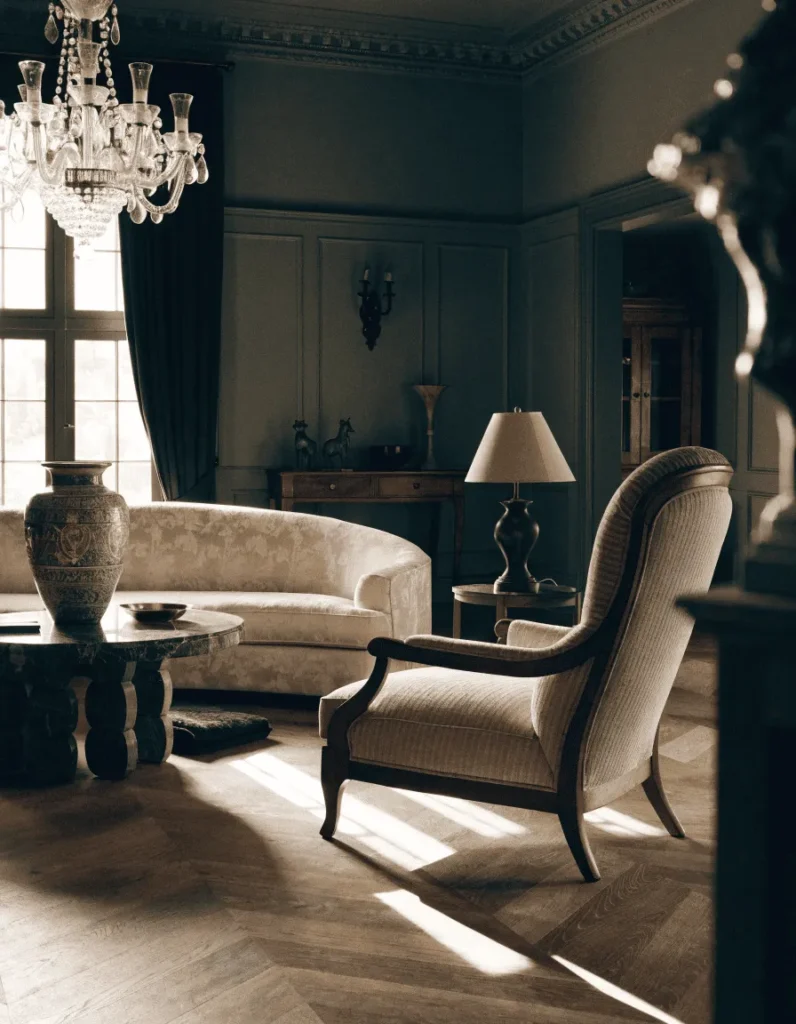
Because chevron requires precise angled cuts, using pre-cut engineered chevron planks simplifies the installation considerably compared to cutting solid wood on-site. The result is a high-impact floor that feels custom-designed.
5. Mixed-Width Plank Design
Combining planks of varying widths within the same floor creates a more organic, custom look reminiscent of reclaimed or antique wood flooring. It adds visual texture without relying on a bold color or pattern.
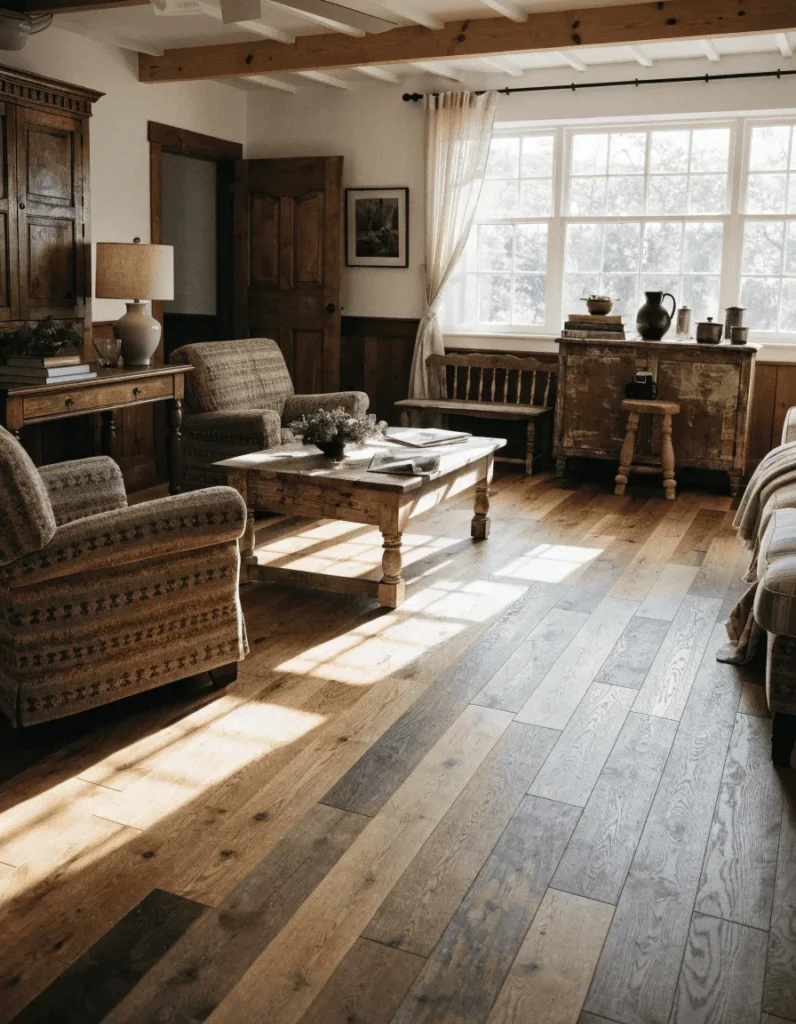
This approach works particularly well in farmhouse or transitional-style homes where a slightly imperfect, collected-over-time look is desired. The mixed widths also help disguise minor variations in the subfloor.
Material and Finish Options
6. Matte Finish for a Natural Look
A matte finish on engineered hardwood highlights the wood’s natural grain and texture without the shine of a glossier topcoat. It’s a popular choice for those wanting a floor that feels organic and understated.
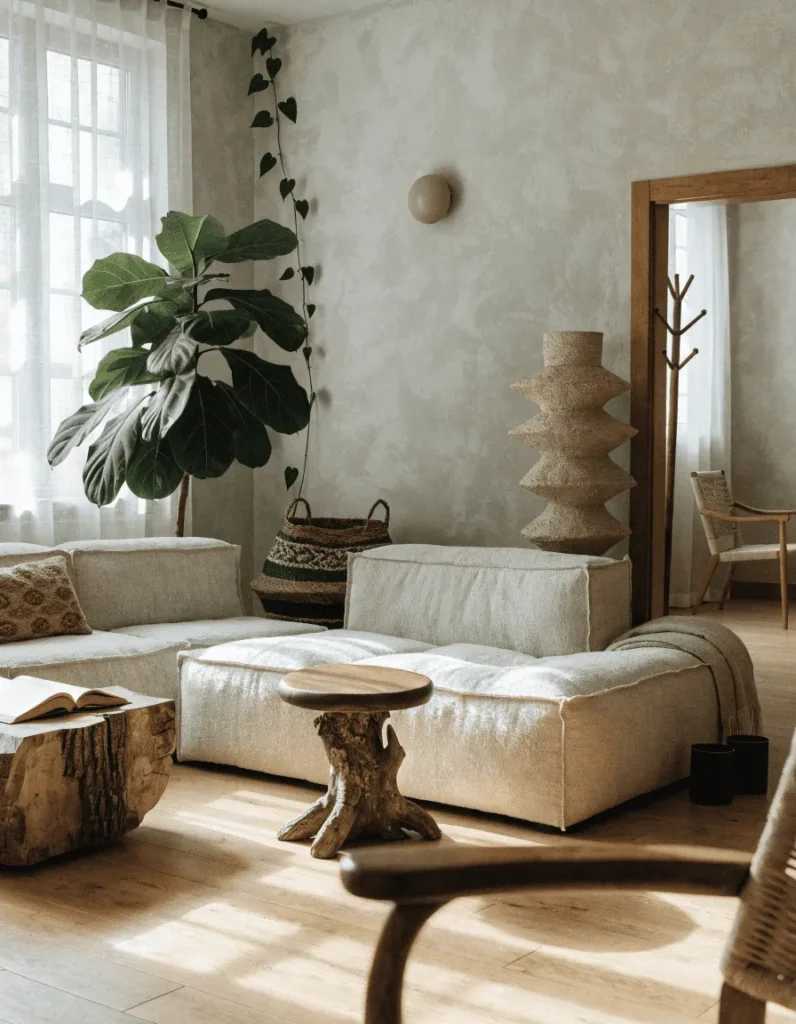
This finish also tends to show fewer scuffs and footprints over time compared to a glossy surface, making it practical for busy households. It pairs especially well with warm, neutral color palettes throughout the room.
7. Hand-Scraped Texture for Character
A hand-scraped finish adds subtle grooves and texture to each plank, giving the floor an artisanal, lived-in character that mimics the look of reclaimed wood. It’s especially popular in rustic and farmhouse-style homes.
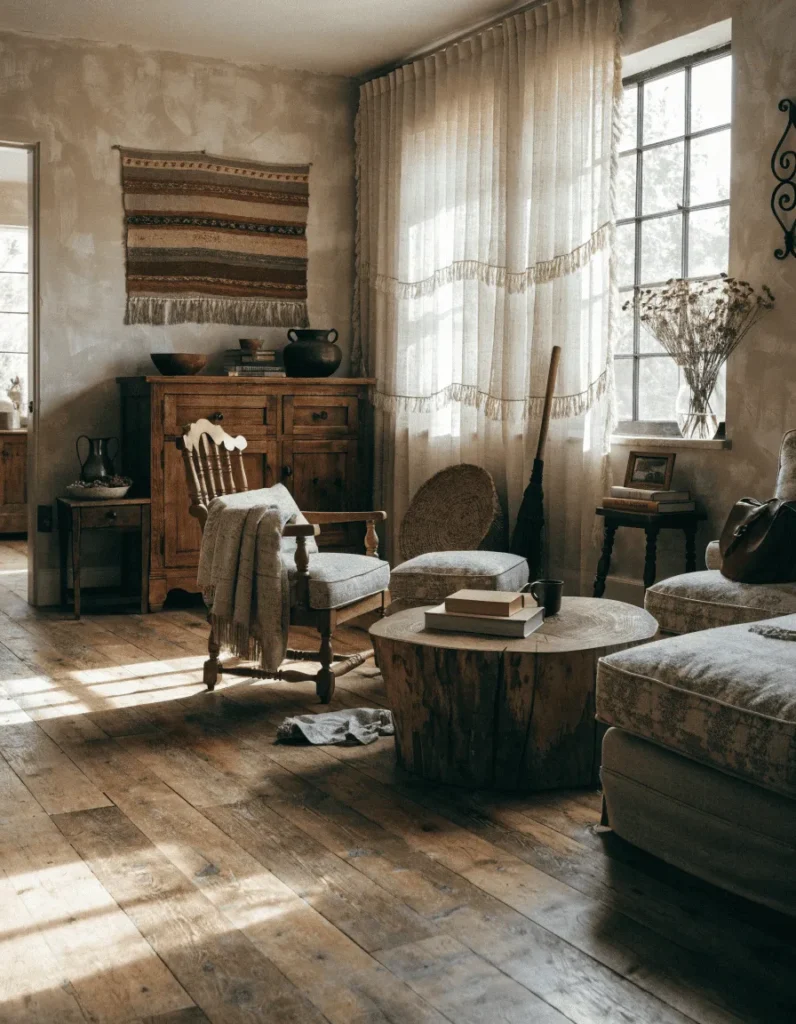
Because the texture helps disguise everyday scuffs and dents, this finish is also a practical choice for high-traffic households with kids or pets. Each plank’s texture is slightly unique, adding to the floor’s overall character.
8. Whitewashed or Gray-Toned Finish
A whitewashed or cool gray-toned engineered hardwood finish creates a bright, airy feel that works beautifully in coastal or Scandinavian-style interiors. It also helps a smaller or darker room feel more open.
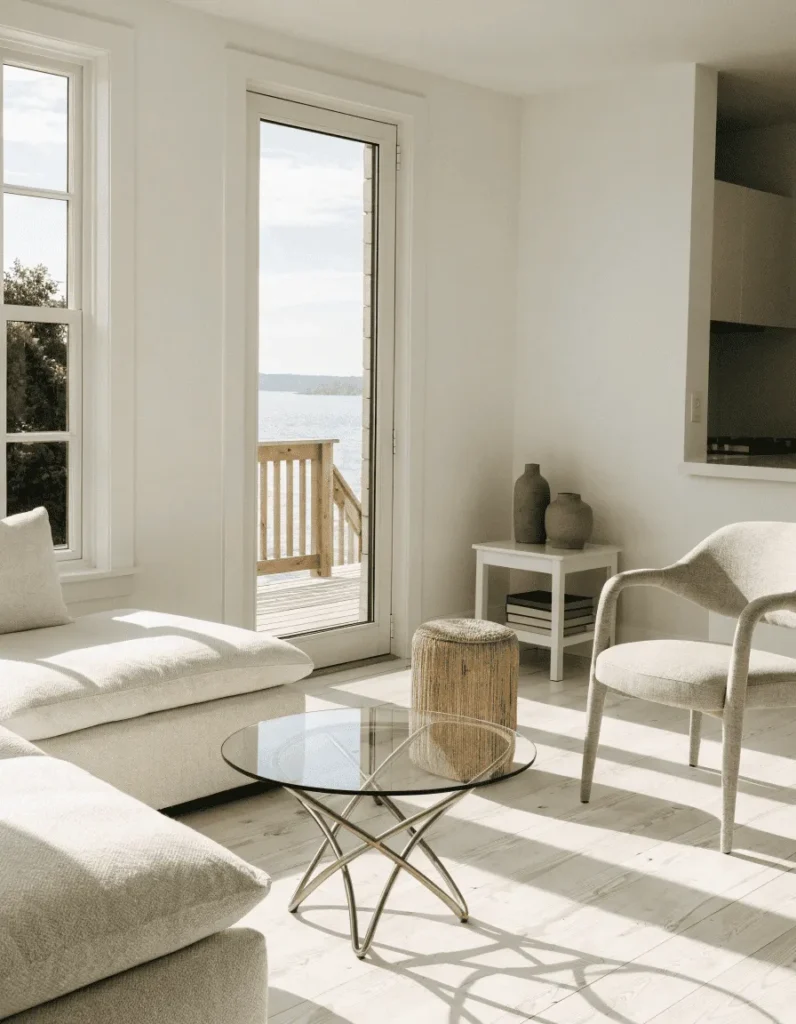
This finish still showcases the natural wood grain while shifting the overall color palette to feel fresh and contemporary. It pairs especially well with white walls, black accents, and natural textiles.
9. Rich Walnut Dark Tone
A dark walnut finish on engineered hardwood brings warmth and drama to a room, especially when paired with lighter walls and furniture for contrast. It’s a popular choice for formal living rooms and primary bedrooms.
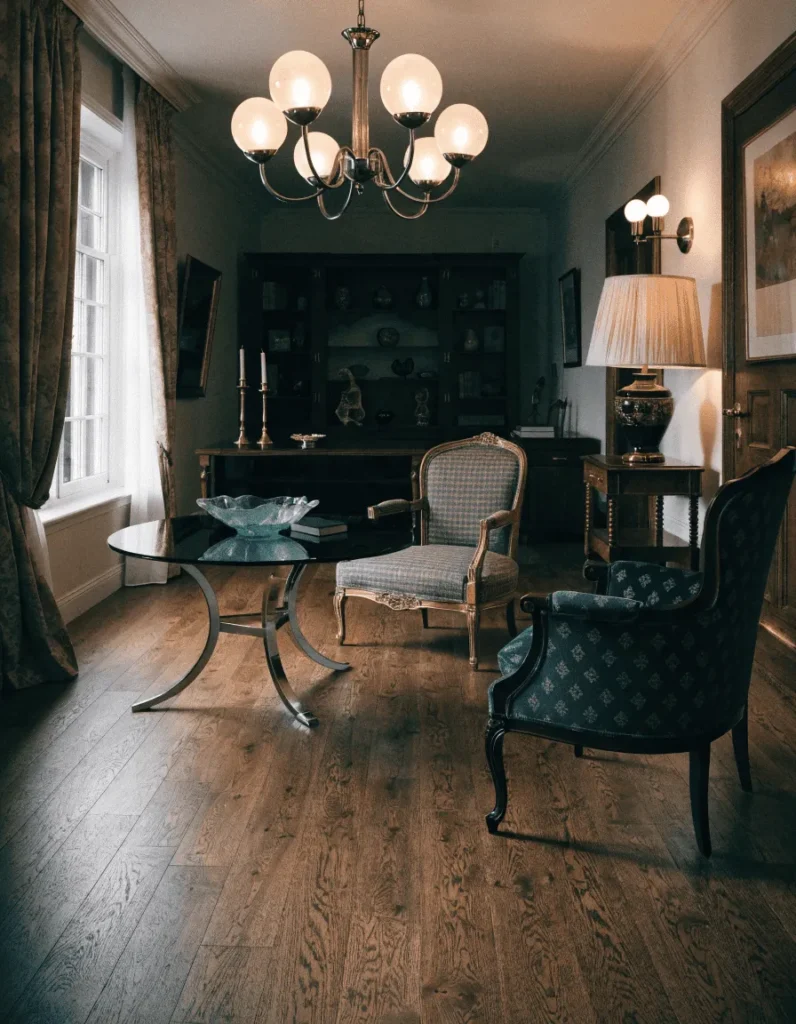
Because darker floors can show dust and pet hair more visibly than lighter tones, they do require slightly more frequent cleaning to stay looking their best. The rich, saturated color, however, adds an undeniable sense of luxury to any space.
10. Water-Resistant Engineered Options
Certain engineered hardwood products now come with enhanced water-resistant cores, making them suitable for kitchens, mudrooms, and even some bathrooms where solid wood would typically be avoided. This expands where genuine hardwood-look flooring can be used throughout the home.
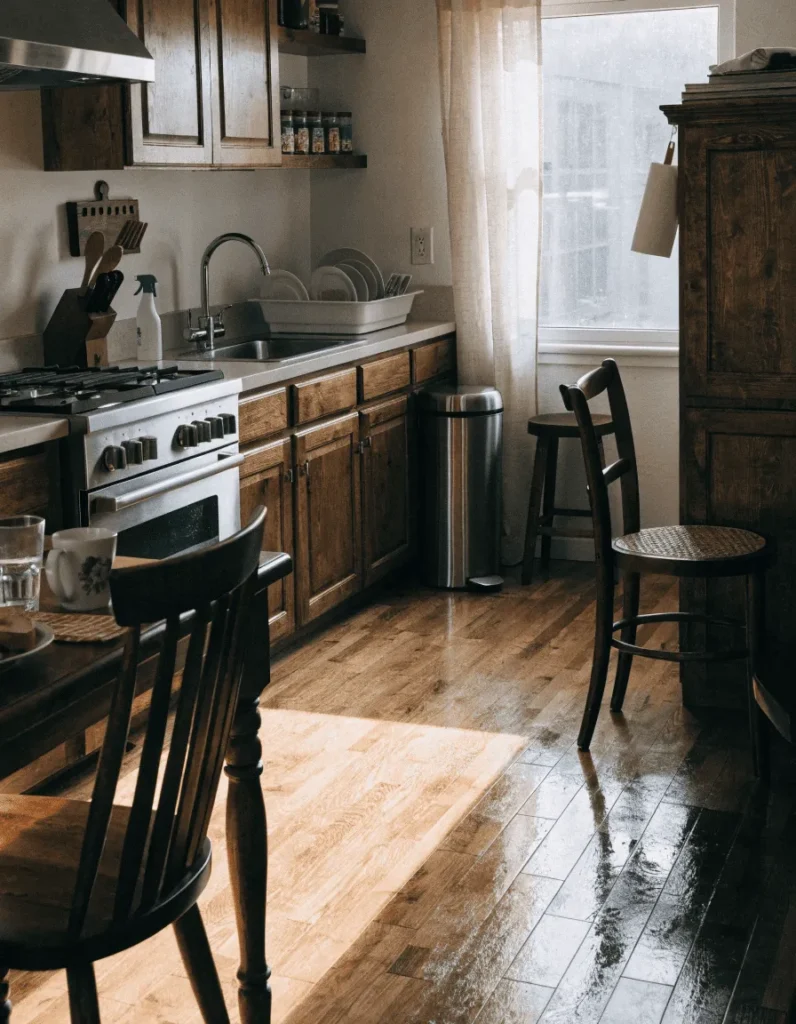
While still not fully waterproof like vinyl, these options offer significantly more protection against spills and humidity than traditional engineered or solid wood. This makes it possible to carry a consistent wood look through more of the home without added risk.
What Flooring Is Best for High-Traffic Areas?
For high-traffic areas, engineered hardwood with a matte or hand-scraped finish tends to hold up better than a glossy solid wood floor, since these finishes disguise scuffs and wear more effectively. Choosing a thicker wear layer also extends the floor’s lifespan in busy hallways, living rooms, and entryways.
Room-by-Room Application Ideas
11. Living Room Anchor Flooring
Engineered hardwood in the living room provides a warm, timeless foundation that works with nearly any furniture style or color palette. It’s often the room where homeowners choose to invest in a higher-quality plank, since it sees the most daily use and visibility.
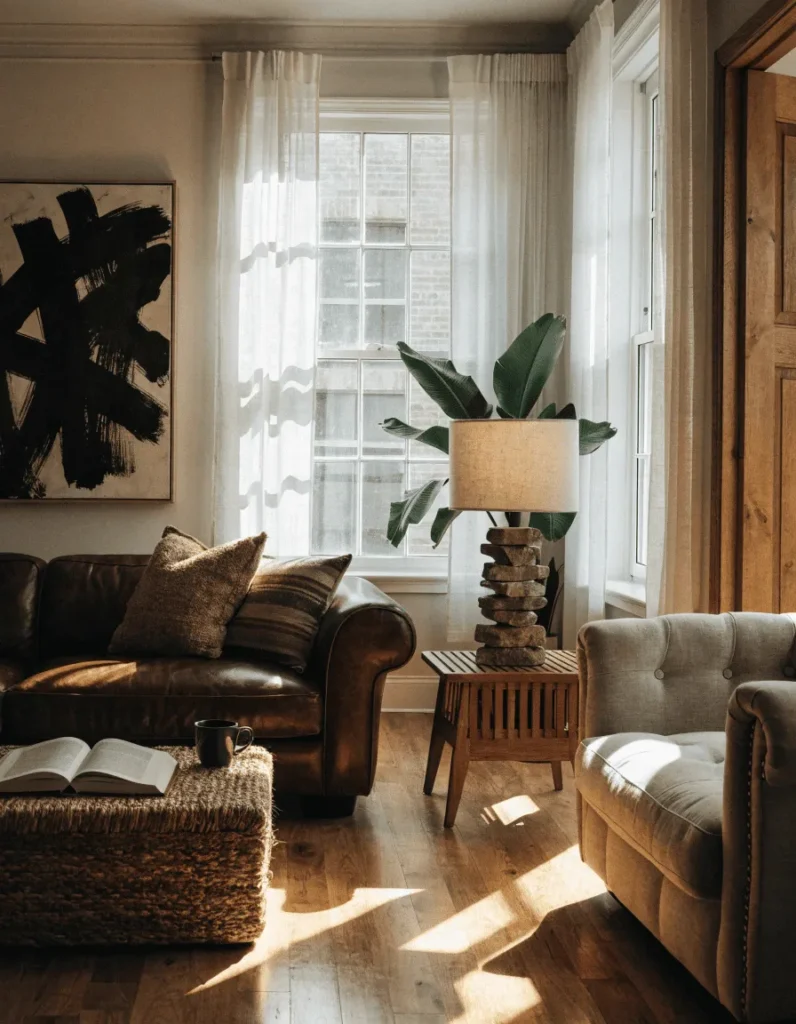
Because this is typically the largest open space in the home, consistent plank direction and color help the room feel cohesive. A well-chosen finish here can set the tone for flooring choices throughout the rest of the house.
12. Primary Bedroom Warmth
Engineered hardwood in the primary bedroom adds warmth underfoot compared to cold tile or laminate, while still offering more moisture resistance than solid wood. It pairs beautifully with soft area rugs layered on top near the bed.
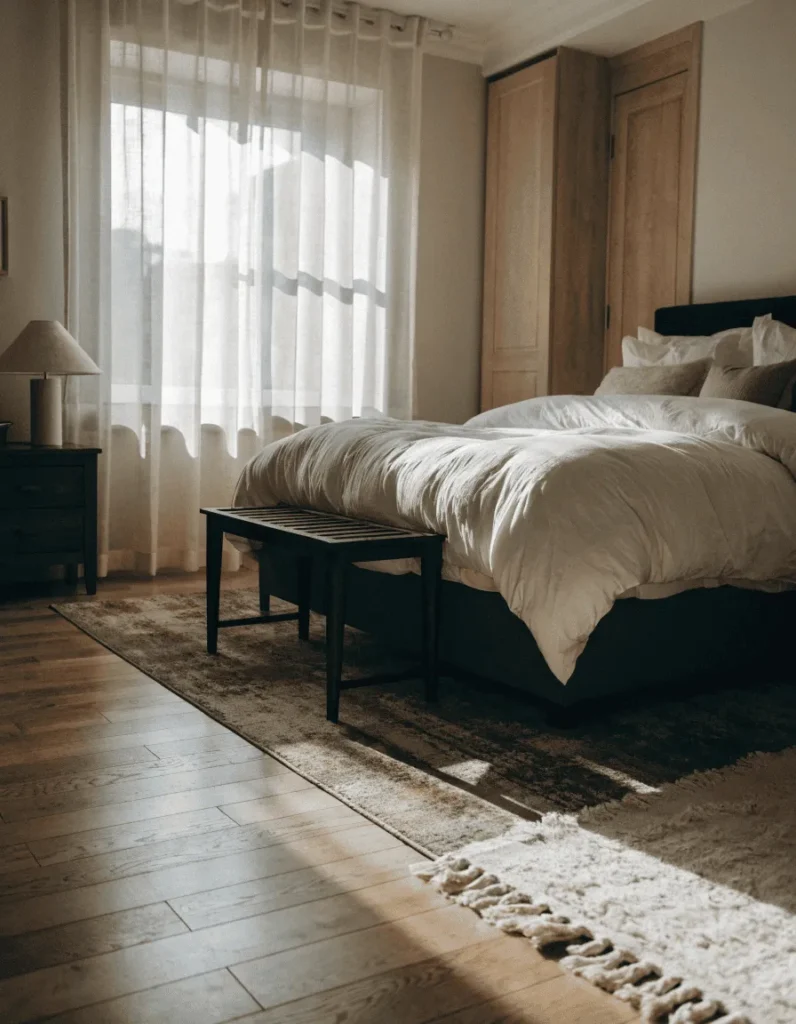
Because bedrooms see lower foot traffic than living spaces, this is a great room to consider a slightly more premium or textured finish. The added comfort and visual warmth make the whole space feel more inviting.
13. Basement Application for Stability
Engineered hardwood is often the preferred wood flooring option for basements, since its layered construction resists the humidity and temperature swings that can warp solid wood over time. This makes it possible to get a genuine wood look below grade.
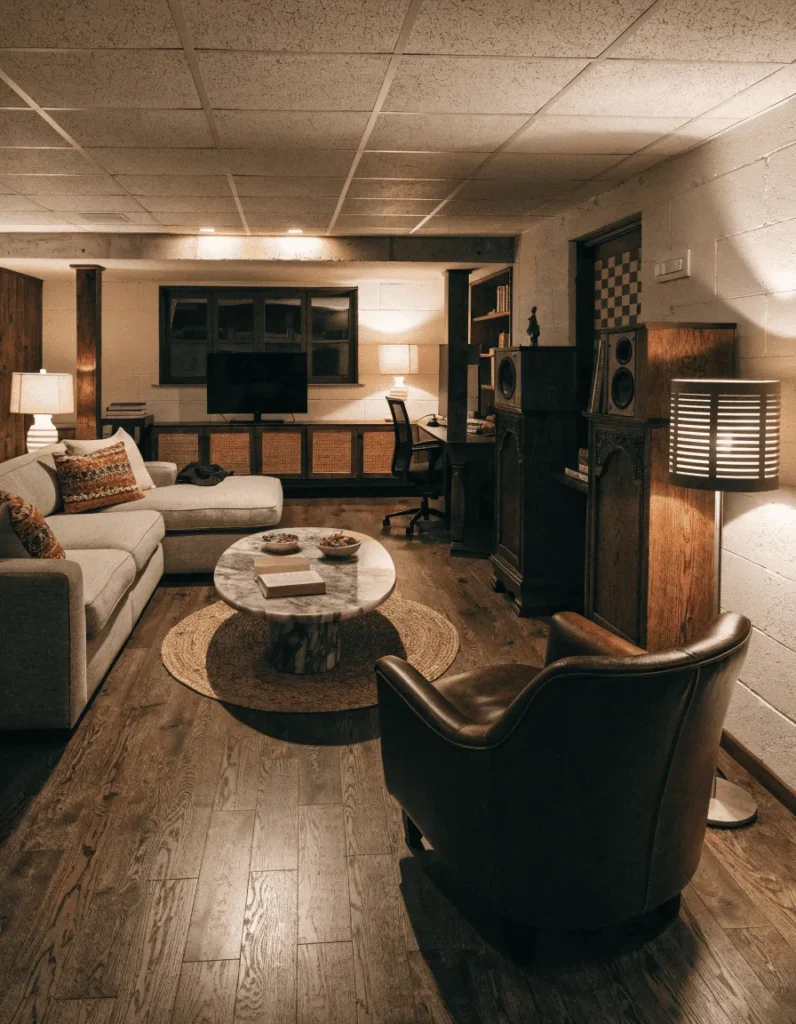
Choosing a product specifically rated for below-grade installation is important here, as not all engineered hardwood is suitable for basement use. With the right product, a basement can achieve the same warm, finished look as the rest of the home.
14. Home Office Grounding Element
A grounded, natural engineered hardwood floor in a home office creates a calm, focused atmosphere that pairs well with wood furniture and neutral decor. It elevates the room beyond a purely functional workspace.
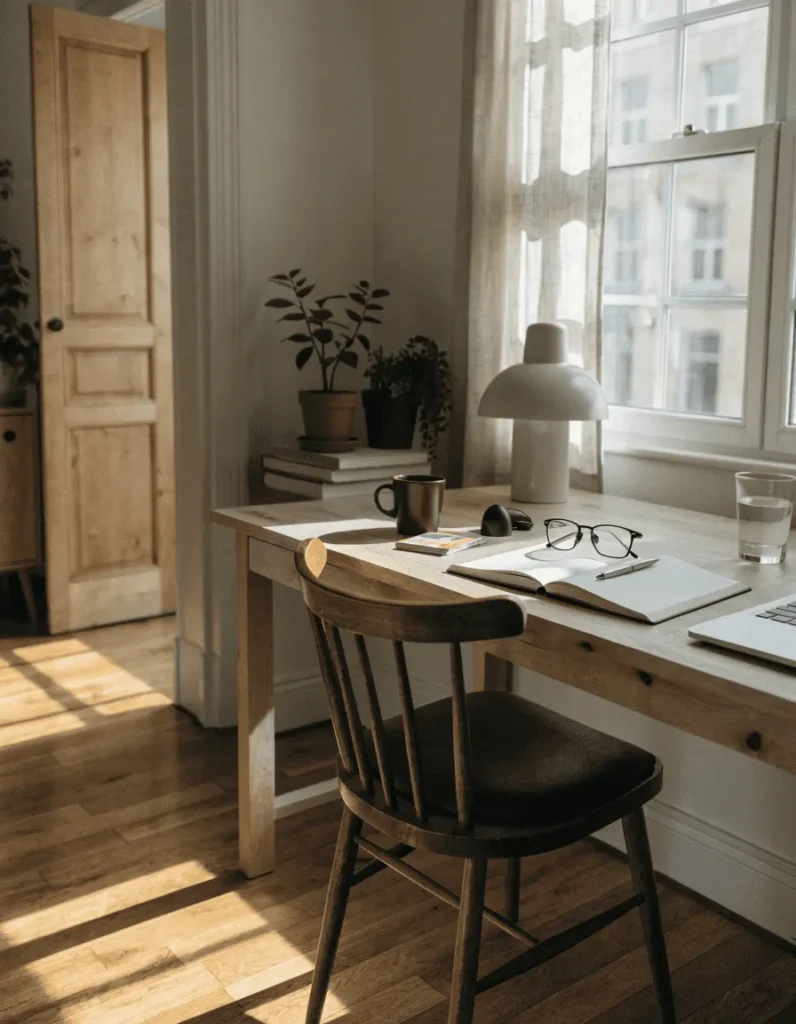
Adding a protective mat under a rolling office chair helps preserve the finish in the specific area of heaviest wear. This small addition allows the beauty of the flooring to last throughout years of daily use.
15. Open-Concept Continuity
Using the same engineered hardwood throughout an open-concept living, dining, and kitchen area creates a seamless, cohesive flow between spaces. This continuity makes the whole floor plan feel larger and more unified.
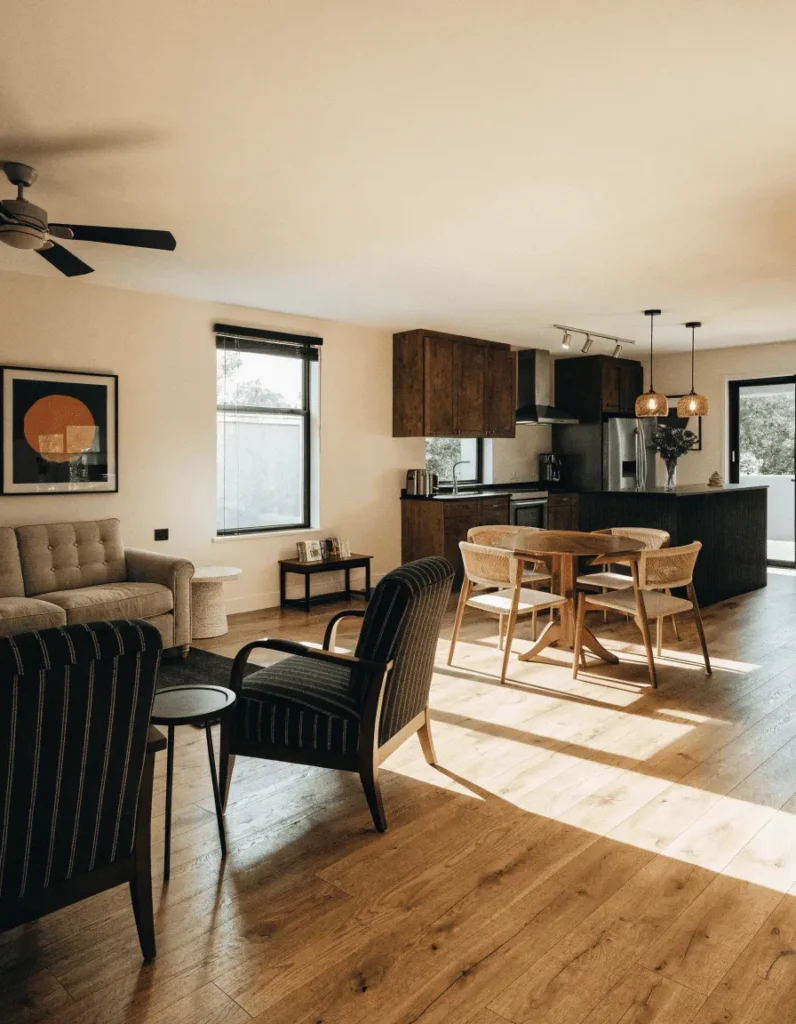
Because engineered hardwood can often be used in kitchens when properly finished, it allows this consistency to extend even into spaces where solid wood might traditionally be avoided. The result is a home that feels intentionally designed from room to room.
Is Herringbone Flooring Hard to Install?
Herringbone flooring is more time-consuming than a straight tile layout because each piece must be angled and aligned precisely, but it isn’t necessarily difficult. Many pre-cut herringbone kits include layout guides, and taking the time to plan the pattern before starting makes the installation manageable even for a confident DIYer.
Conclusion
You now have 15 creative engineered hardwood flooring ideas to choose from, whether you’re planning a full-home installation or focusing on just one standout room. Save this pin so you can come back to it when you’re ready to start, and follow along for more budget-friendly home decor inspiration.