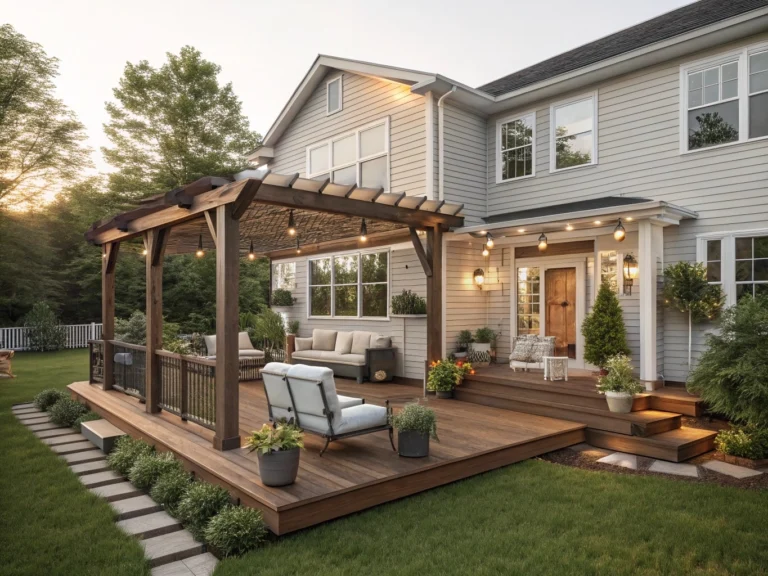
17 Inspiring Front of House Landscaping Ideas to Copy Right Now


The front of your house sets the tone before anyone even steps inside, but overgrown shrubs, patchy grass, or a plain, empty yard can undercut all the work you’ve put into your home’s interior. A few thoughtful landscaping updates can transform curb appeal without requiring a full yard overhaul.
This list is for homeowners on any budget, from renters looking for container gardening ideas to those planning a more permanent landscape refresh. The ideas below are grouped by layout, plants and materials, and lighting so you can focus on whatever part of your front yard needs the most attention.
Layout and Design Ideas
1. Layered Garden Beds Along the Foundation
Planting in layers, with taller shrubs toward the back and shorter flowers or groundcover in front, creates depth and visual interest along the foundation of the house. This layout also helps soften the hard lines where the house meets the yard.
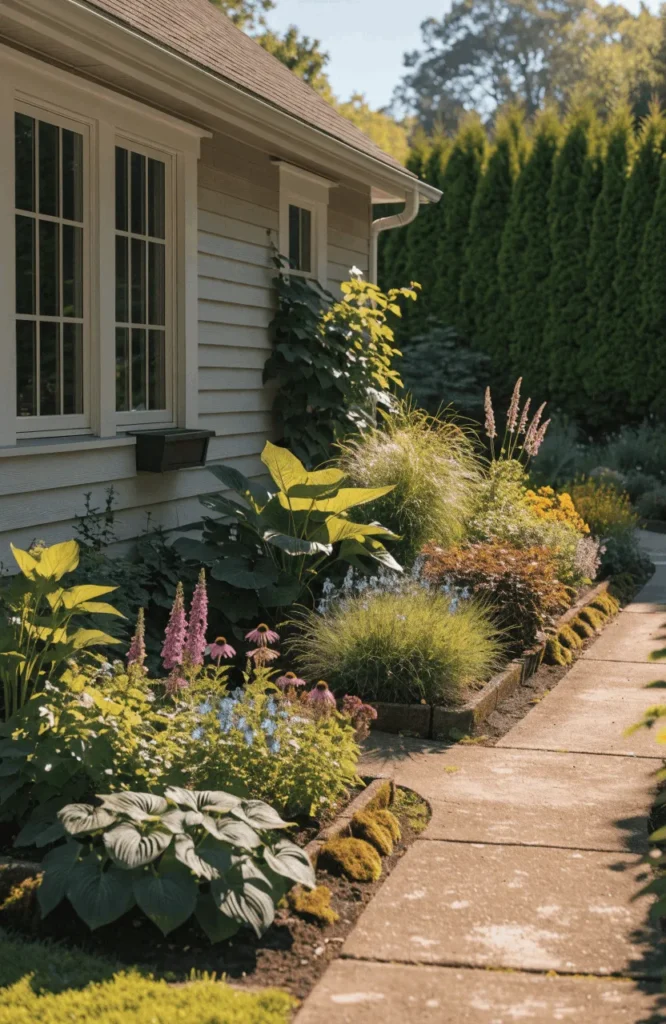
Because the layers build height gradually, this approach avoids the flat, one-dimensional look of a single row of identical plants. It’s a classic landscaping technique that works well across many home styles.
2. Defined Pathway with Stone or Pavers
A clearly defined pathway made of stone, pavers, or gravel guides visitors naturally from the sidewalk or driveway to the front door. This small addition makes the approach to the house feel more intentional and welcoming.
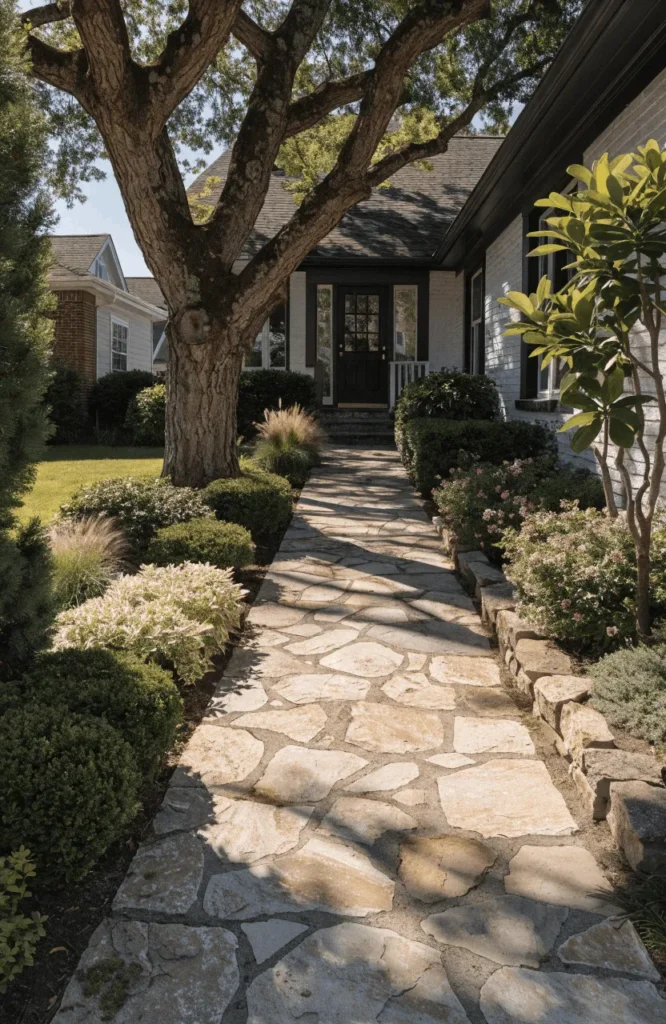
Because pathways can be installed in stages, this is a project that can be tackled incrementally as budget allows. Lining the path with low plantings on either side further enhances the guided, garden-like feel.
3. Symmetrical Landscaping for a Formal Look
Mirroring plantings and features on either side of the front door or walkway creates a formal, balanced look that reads as polished and intentional. This works especially well on homes with a classic or traditional architectural style.
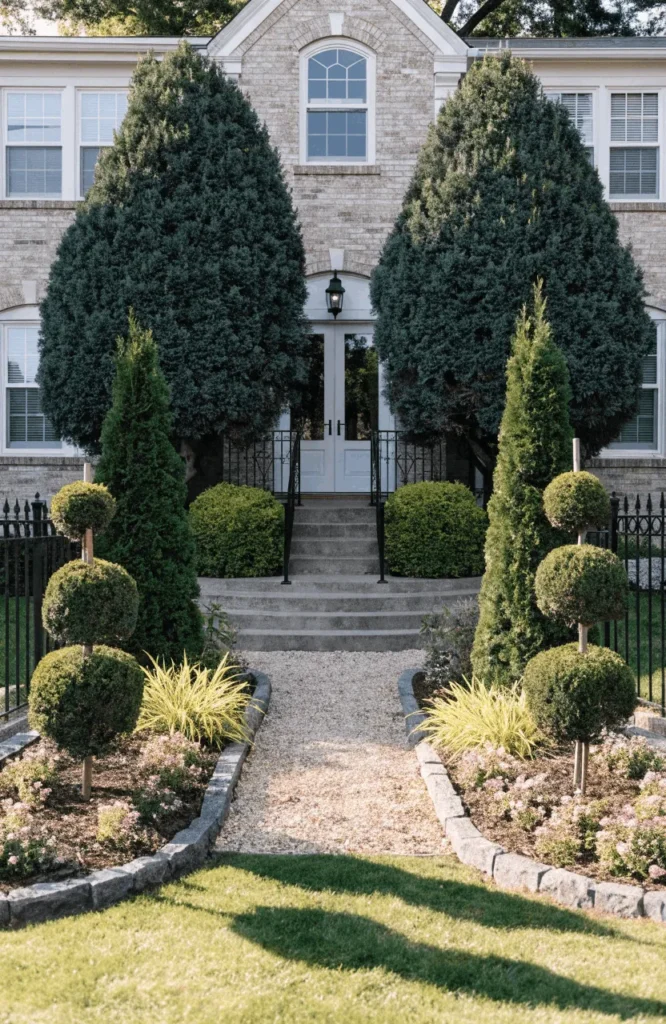
Because symmetry relies on consistency, choosing identical or closely matched plants for each side is key to the effect. This layout is relatively low-maintenance to plan, since one side simply mirrors the other.
4. Curved Garden Bed Edges for Softness
Replacing straight, hard-edged garden beds with gentle curves softens the overall look of the front yard and feels more organic against the straight lines of the house. This is a simple change that can be made to existing beds without starting over.
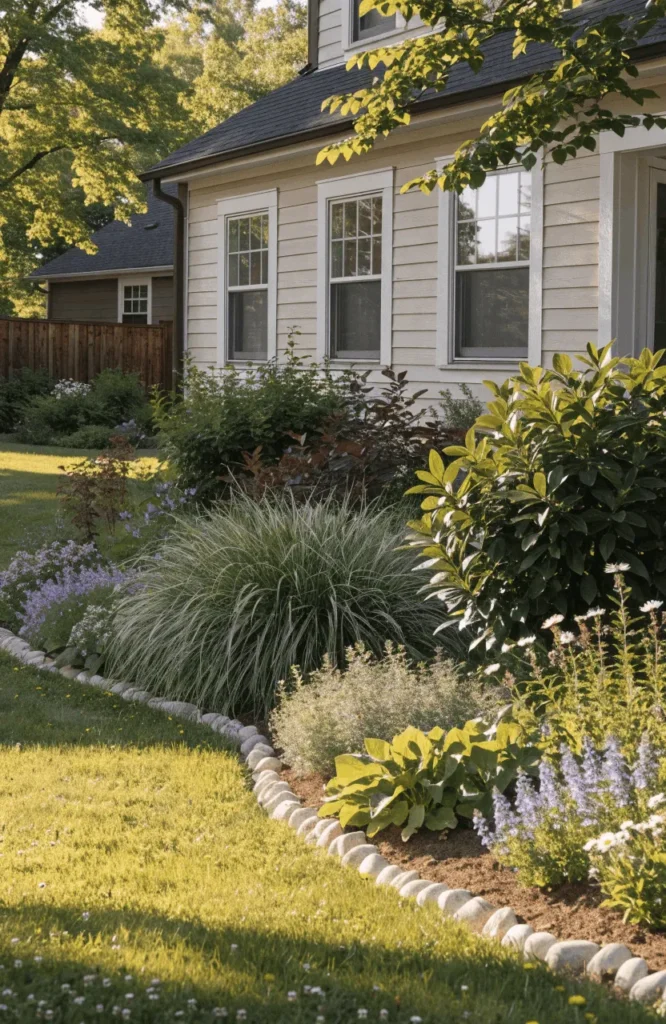
Curved edges also tend to be more forgiving of uneven planting, since the eye is drawn to the flowing line rather than perfectly straight rows. This approach works well in both formal and casual landscape styles.
5. Raised Garden Beds for Structure
Raised garden beds add structure and height variation to a flat front yard while also making planting and maintenance more accessible. They work especially well for defining a specific area near the entry or along a fence line.
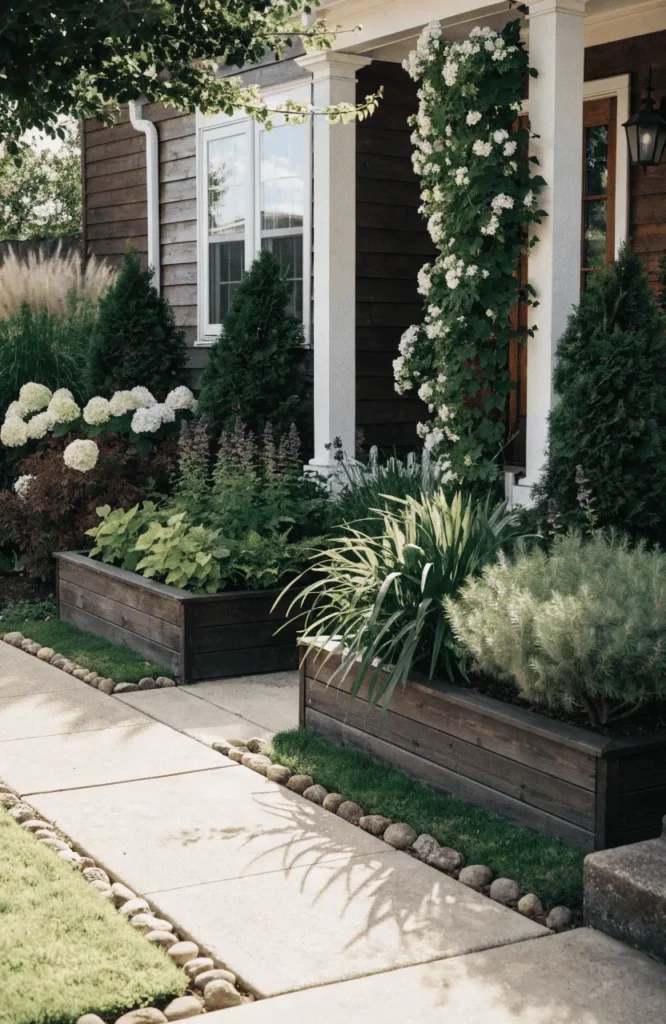
Because raised beds are contained, they also help control soil quality separately from the rest of the yard, which can be useful in areas with poor native soil. A simple wood or stone border keeps the look tidy and intentional.
6. Mulched Zones to Reduce Lawn Maintenance
Replacing sections of grass with mulched garden beds reduces the overall lawn area that needs mowing and watering, while still keeping the yard looking finished and cared for. This is a practical layout choice for anyone wanting to cut down on yard maintenance.
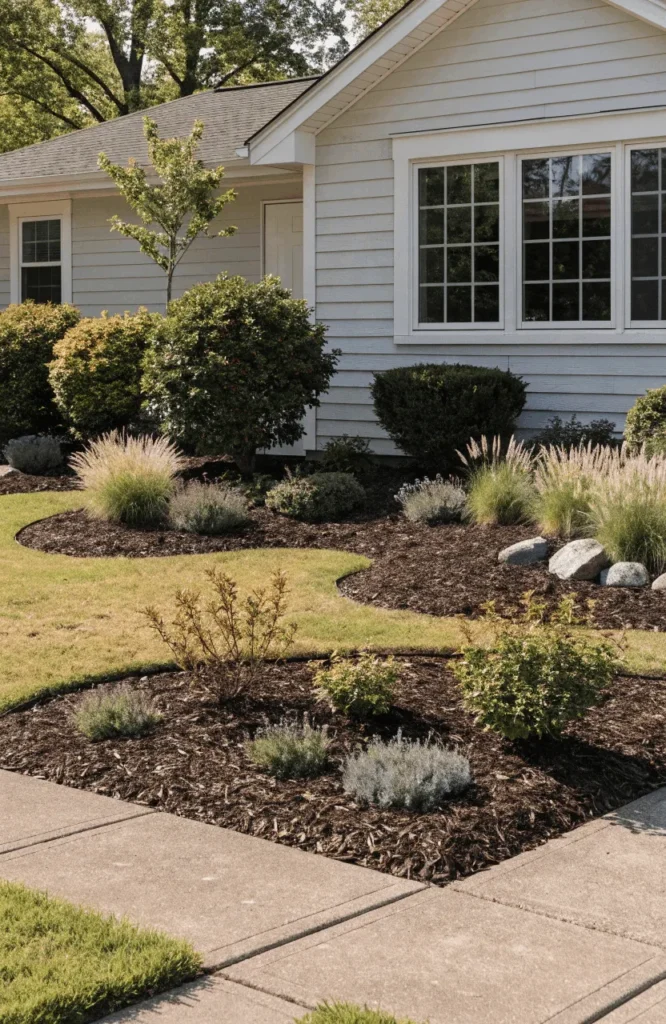
Choosing a consistent mulch color throughout the yard also creates a cohesive backdrop that makes plantings stand out more clearly. This approach can be expanded gradually, one bed at a time, as the budget allows.
Plant and Material Choices
7. Native Plant Selections for Easy Care
Choosing plants native to your region ensures they’re naturally suited to the local climate, soil, and rainfall patterns, which means less watering and maintenance overall. Native plants also tend to support local pollinators and wildlife.
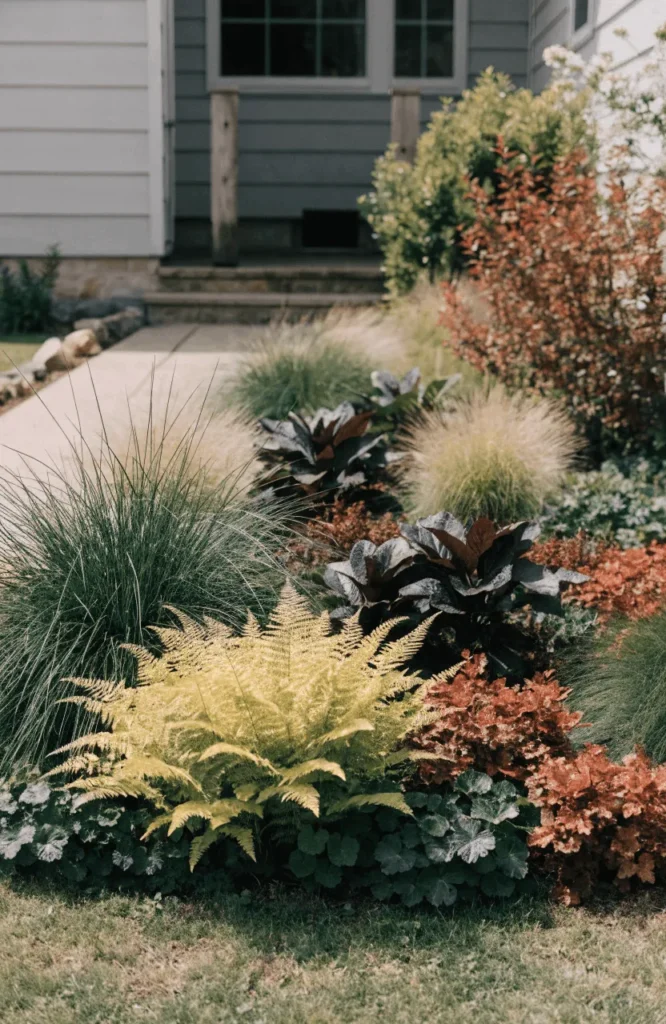
Because these plants are already adapted to the area, they’re generally more resilient to drought or unexpected weather swings than non-native varieties. A local nursery can often provide guidance on the best native options for your specific region.
8. Evergreen Shrubs for Year-Round Structure
Incorporating evergreen shrubs ensures the front yard maintains some greenery and structure even through the winter months when other plants have died back. They provide a reliable backdrop for seasonal flowers planted alongside them.
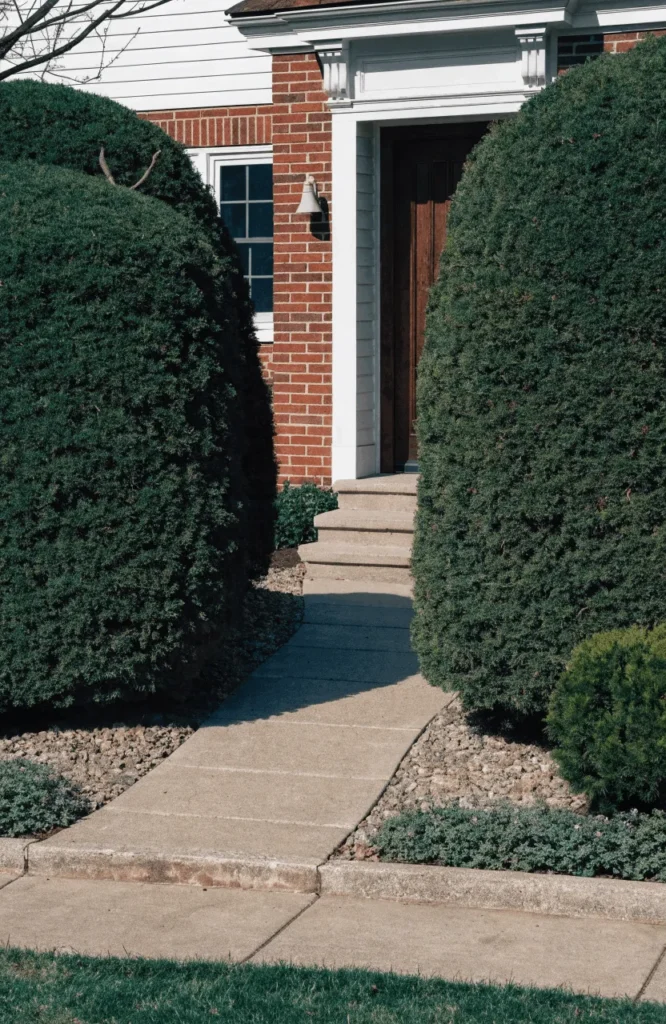
Because evergreens hold their shape and color consistently, they’re especially useful for anchoring the corners of the house or framing the entryway. Mixing a few varieties adds texture even within an all-green palette.
9. Seasonal Flower Rotation for Color
Planting in beds or containers designed for easy seasonal swaps allows fresh color to cycle through the front yard throughout the year. This keeps the landscaping feeling current without a full redesign each season.
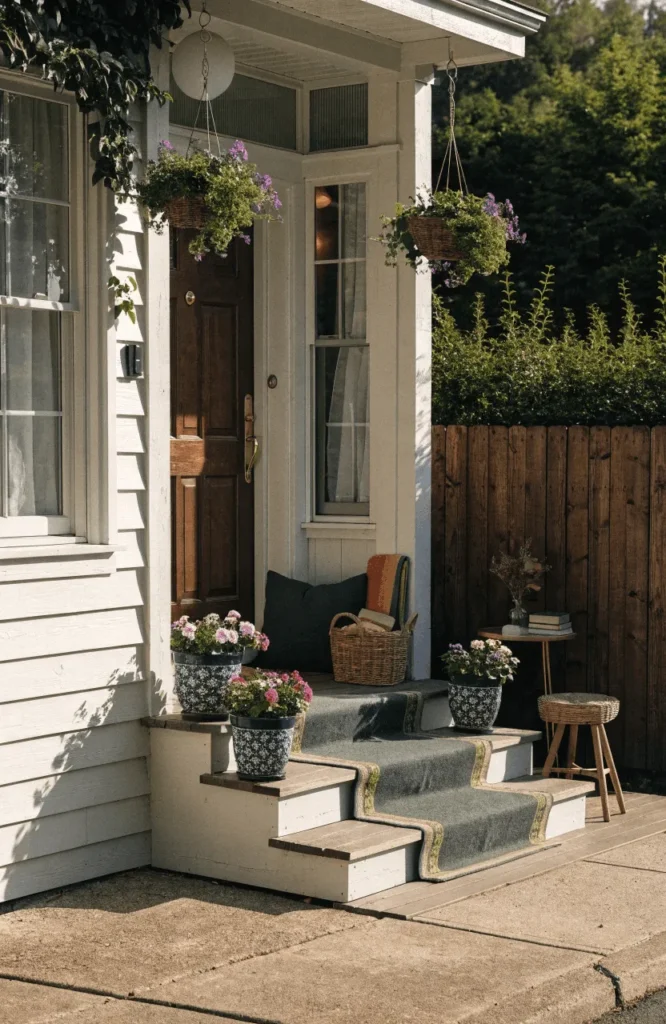
Because container plantings are especially easy to rotate, this approach works well even for smaller front yards or entryways without large garden beds. Choosing a consistent container style helps the seasonal color changes feel intentional rather than random.
10. Ornamental Grasses for Movement and Texture
Ornamental grasses add movement and texture to a front yard, swaying gently in the breeze in a way that flowering plants alone can’t replicate. They also tend to require relatively little water once established.
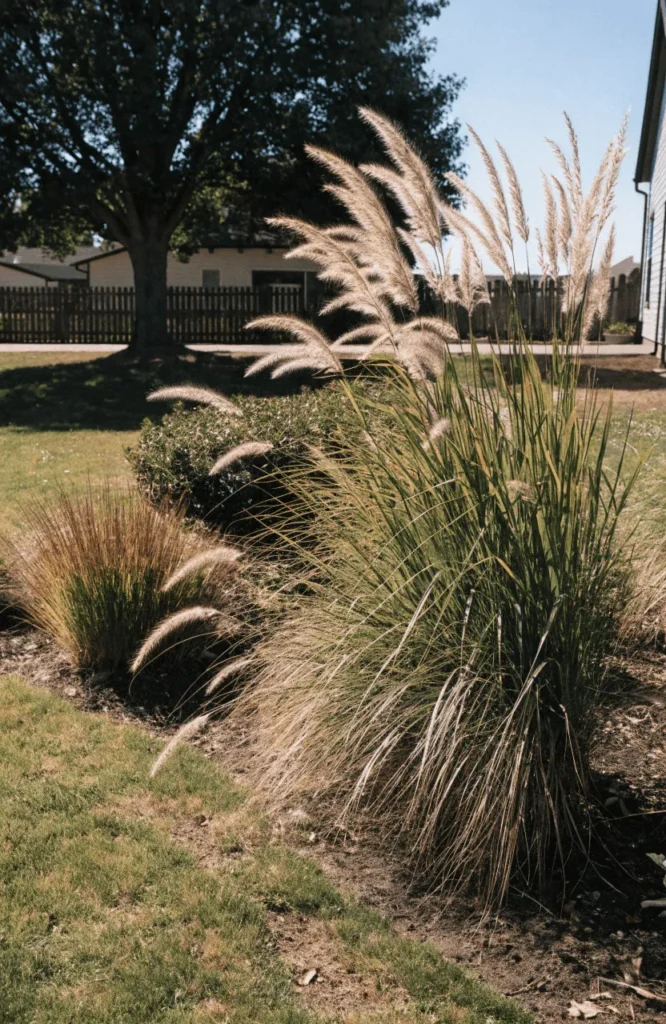
This choice works especially well mixed among other plantings, where the grasses’ fine texture contrasts nicely with broader leaves or flowers. Many varieties also provide visual interest well into the fall and winter months.
11. Gravel or Rock Beds for Low Maintenance
Replacing traditional mulch with decorative gravel or rock creates a low-maintenance ground cover that doesn’t need to be replenished as often. It also pairs well with drought-tolerant plants for a cohesive, low-water landscape.
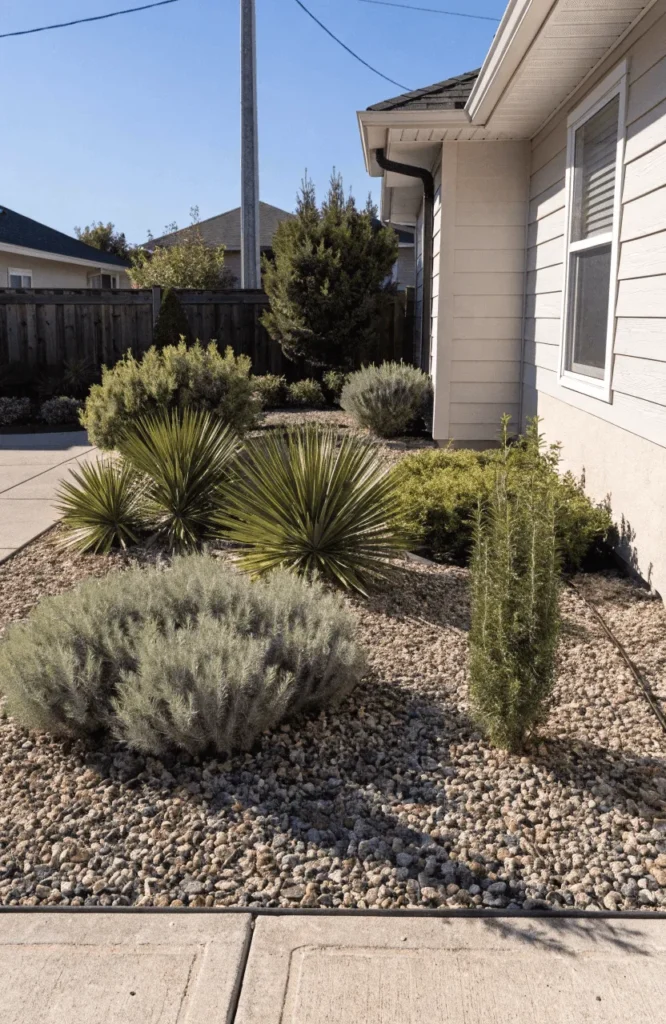
Because gravel doesn’t break down the way organic mulch does, this option requires less ongoing maintenance over time. It’s a popular choice in xeriscaping and modern landscape designs.
12. Climbing Vines on a Trellis
Adding a trellis with a climbing vine near the entry or along a wall introduces vertical greenery that doesn’t take up ground space. This is especially useful for smaller front yards where horizontal planting area is limited.
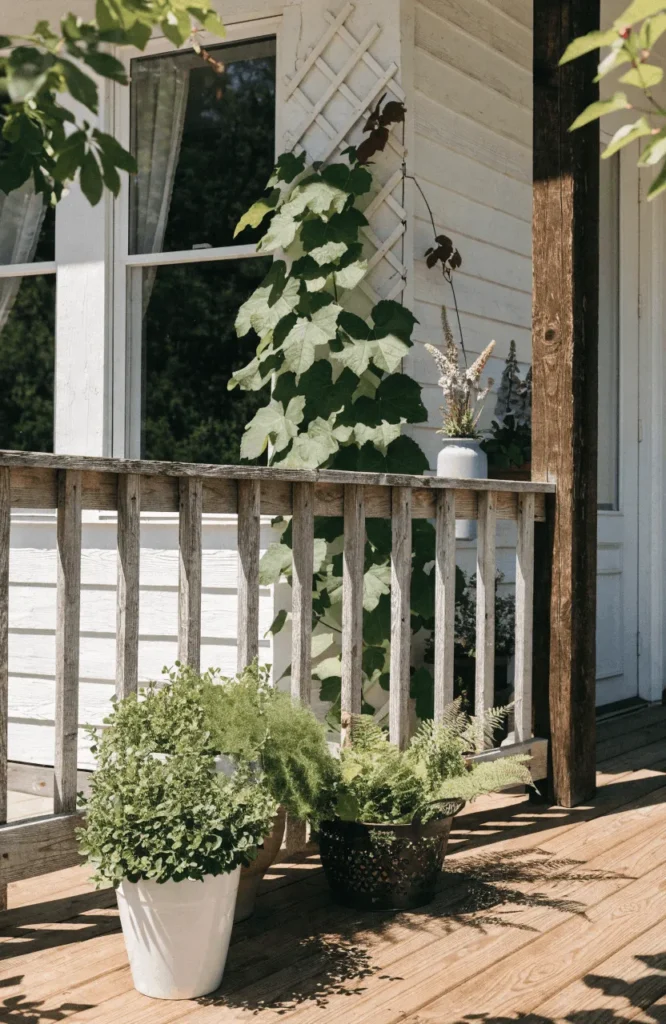
Because the vine grows upward, this feature can soften a blank wall or add charm to a plain porch structure over time. Choosing a variety suited to your climate ensures it thrives with minimal ongoing care.
What Is a Low-Maintenance Landscaping Idea?
Choosing native plants, succulents, or ornamental grasses suited to your local climate is one of the easiest low-maintenance landscaping ideas, since these plants typically need less water and care than non-native varieties. Adding a layer of mulch around plants also helps retain moisture and reduce how often you need to weed.
Lighting Ideas
13. Solar Path Lights Along the Walkway
Solar-powered path lights lining the front walkway guide visitors to the door while adding a soft glow after sunset. Because they charge during the day and turn on automatically, they require no wiring or ongoing effort.
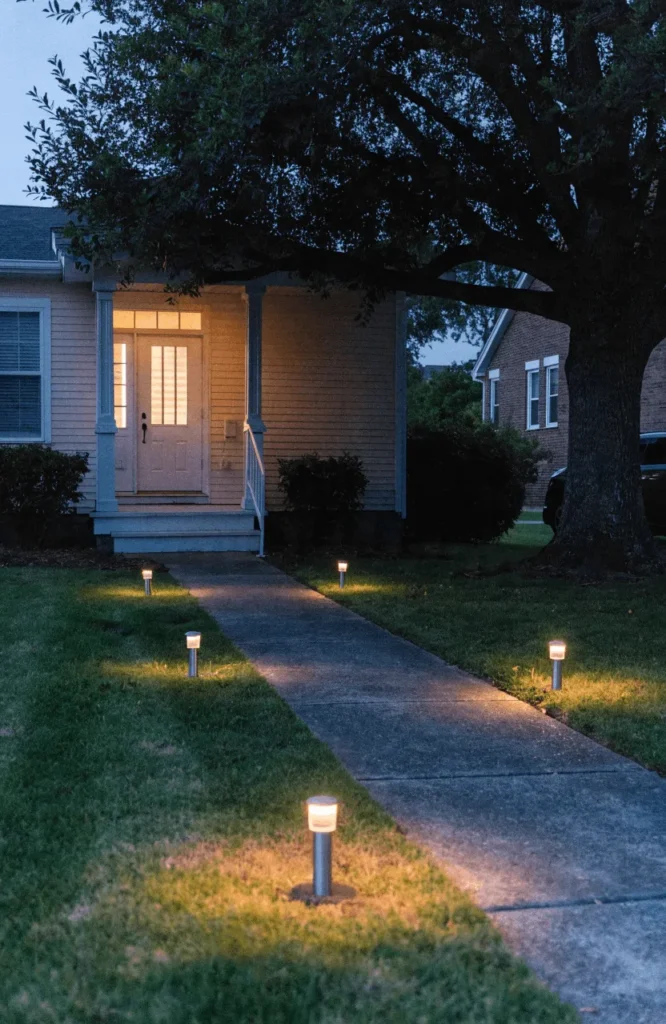
This is one of the most budget-friendly and low-maintenance lighting options for a front yard. It also adds a layer of safety by illuminating the path for evening arrivals.
14. Uplighting for Trees and Shrubs
Small uplights placed at the base of trees or larger shrubs cast dramatic shadows and highlight the texture of the landscaping after dark. This technique adds depth and visual interest to the front yard well beyond daylight hours.
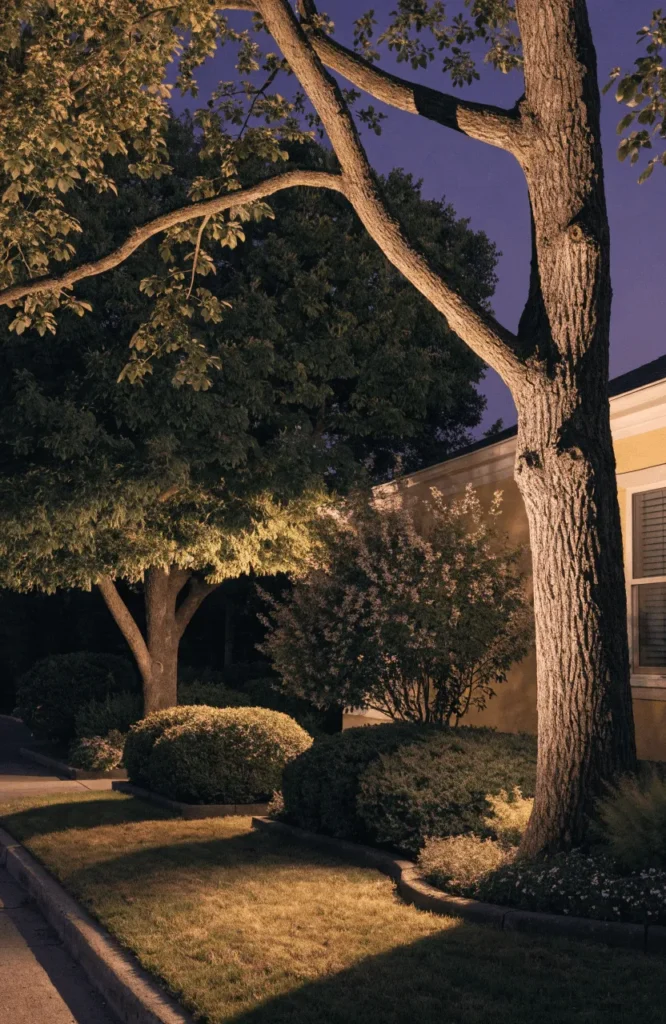
Because these fixtures are typically low-voltage, they’re relatively simple and safe to install as a weekend project. This lighting style is especially effective on homes with mature trees or well-established landscaping.
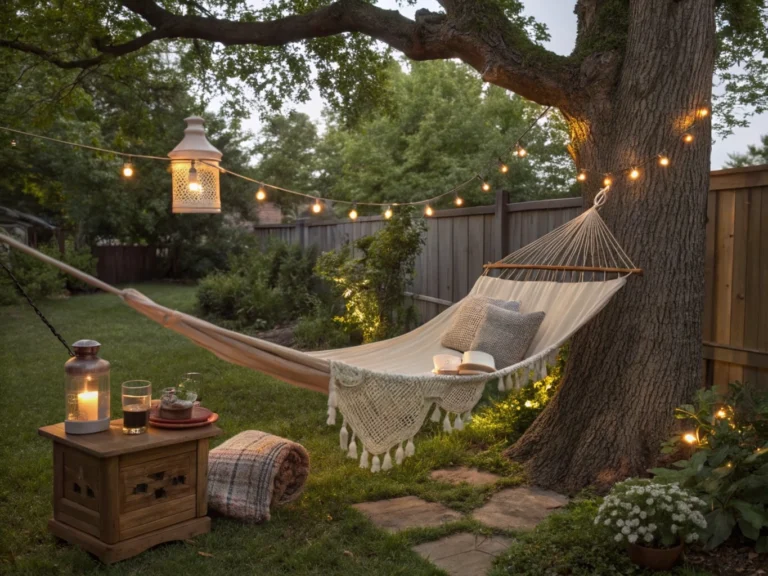
15. String Lights Along a Fence or Porch
String lights draped along a fence line or porch railing add a warm, welcoming glow to the front of the house in the evening. They’re an easy, low-cost addition that requires minimal installation effort.
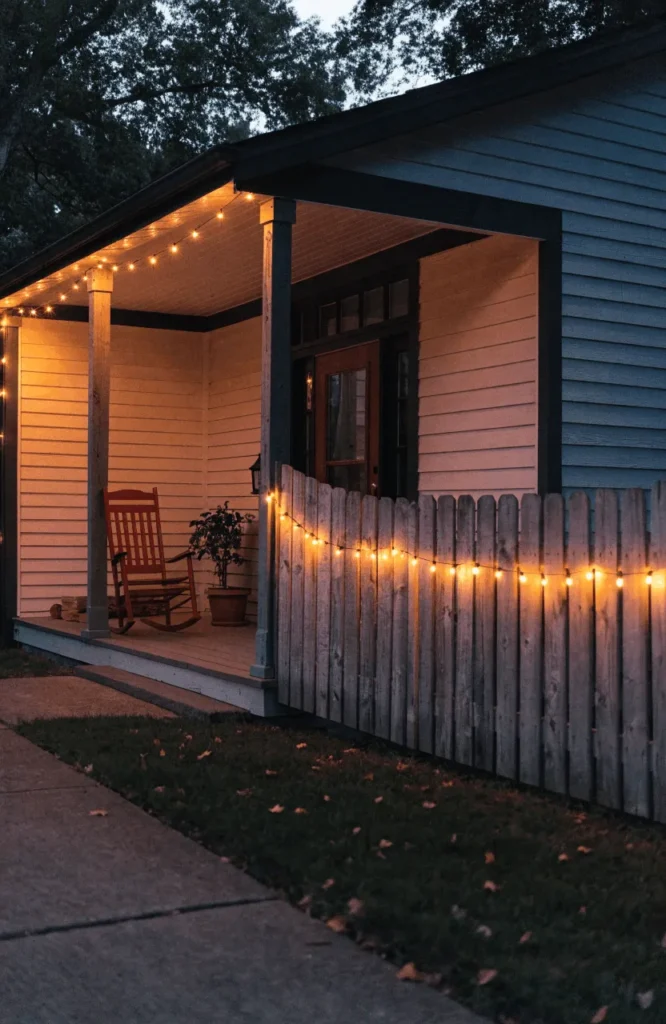
Because many string light options are solar or battery-powered, they can be added even without easy access to an outdoor outlet. This small touch often makes the biggest difference in how inviting the front of the house feels at night.
16. Lantern-Style Post Lights
A pair of lantern-style post lights flanking the driveway or front walkway adds classic, symmetrical lighting that also improves visibility after dark. This is a relatively simple upgrade for homes with existing electrical access near the driveway.
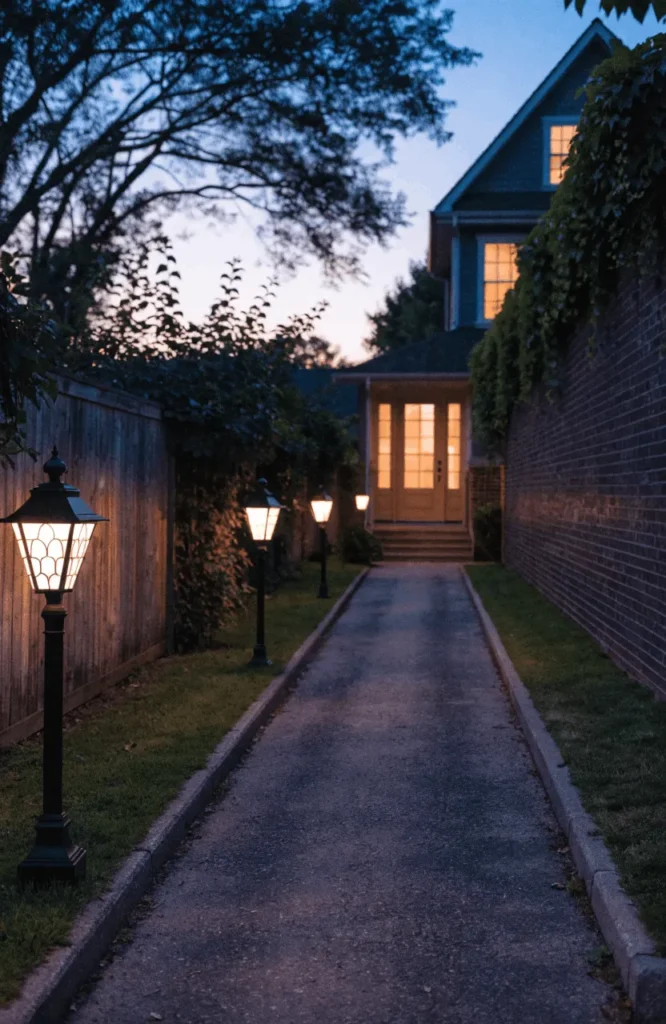
Choosing a warm bulb temperature keeps the lighting feeling cozy rather than stark or overly bright. This detail also adds a bit of architectural charm to an otherwise plain driveway approach.
17. Motion-Sensor Security Lighting
Installing motion-sensor lights near the entry or along a side pathway adds a practical safety element while still contributing to the overall lighting design. These lights stay off until triggered, which also helps conserve energy.

Because they only activate when needed, motion-sensor lights are a practical addition for areas that don’t need constant illumination. This is a small but meaningful upgrade for both curb appeal and everyday security.
How Do I Landscape on a Budget?
Focus on a few key elements, like mulch, a couple of well-placed plants, and simple edging, rather than trying to do everything at once. Buying smaller, younger plants instead of mature ones and dividing perennials from existing plants are also inexpensive ways to fill out a landscape over time.
Conclusion
You now have 17 inspiring front of house landscaping ideas to choose from, whether you’re planning a full yard overhaul or just a few small updates at a time. Save this pin so you can come back to it when you’re ready to start, and follow along for more budget-friendly home decor inspiration.